

TL;DR: I typed an objection to something stupid at work. Clear, professional, correct. Then I thought about the politics, the performance review, the chain of screaming. I deleted the email. The stupid thing got approved. The Greeks had a word for what I lost in that moment.
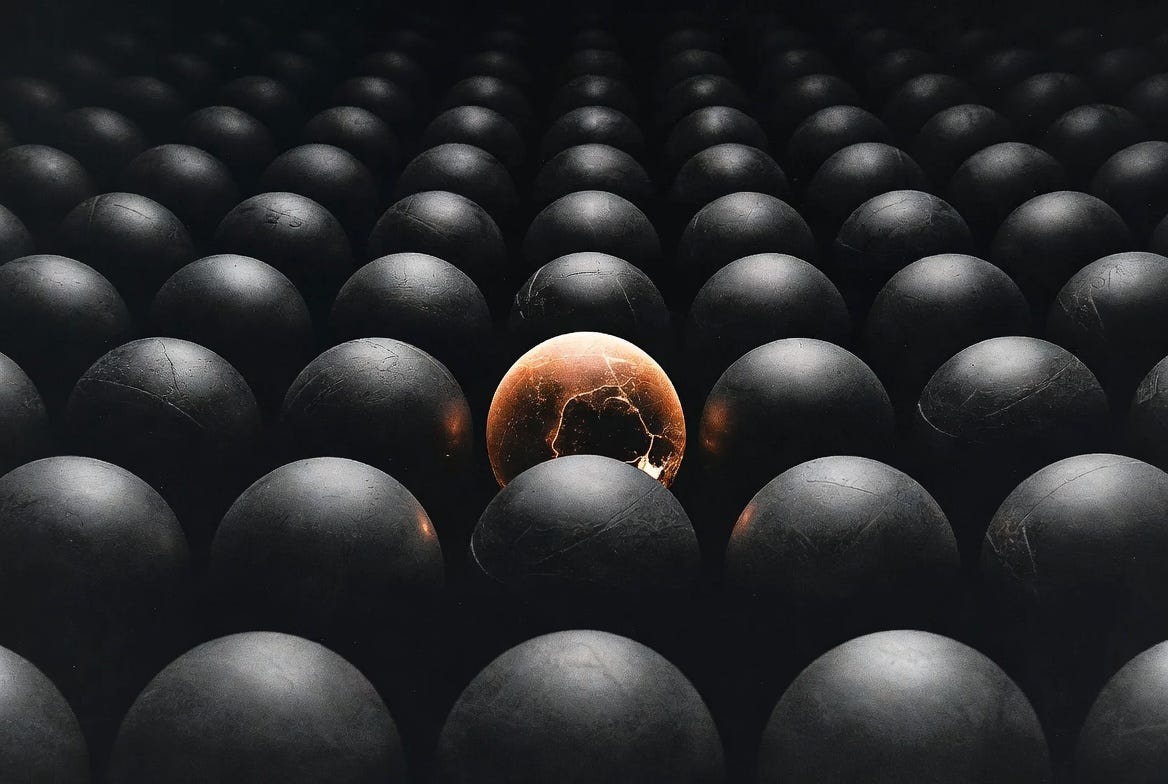
It was 2019, a job I’ve since left, a meeting I haven’t.
Someone three levels above me had proposed something stupid. Not malicious, just optimization-brained in a way that would create months of downstream problems. I knew it. Two other people in the room knew it. I could see it in their faces.
I typed the objection. Clear, professional, correct. My finger hovered over send.
Then I thought about the politics. The capital I’d spend. The performance review in three months. It probably wasn’t even his idea – just passed down through the chain of screaming from above. The decision was already made and I’d just be the guy who made the meeting awkward.
I deleted the email. The stupid thing got approved. The downstream problems happened. I was right, and it didn’t matter, because I never said anything.
Not anger – I wasn’t wronged. Not regret exactly. More like a small death.
The Greeks had a word for what I lost in that moment.
Thumos
Plato divided the soul into three parts: reason (the head), appetite (the stomach), and thumos (the chest).
Thumos gets translated as “spiritedness” – but that sounds too gentle. It’s the fire in your chest. The seat of righteous anger. The drive for will, honor, and recognition. The part of you that refuses to be managed.
Thumos is what Achilles had too much of and most corpo drones have too little of.
You know you’ve lost it when you type the objection, then delete it. When you nod in meetings at things you don’t believe. When your choices become predictable to algorithms and you can’t remember the last time you risked anything that mattered.
You’ve been conditioned to accept it.
The Managed Life
Bureaucracies, credentials, corporate hierarchies – none of this is new. What’s new is the cage got smarter.
It’s not just a bureaucrat across a desk anymore. Recommendation algorithms predict your preferences before you have them. AI systems evaluate your resume in milliseconds. Performance management software quantifies your existence into KPIs. The old systems suppressed thumos through friction – paperwork, gatekeepers, slow processes you could occasionally rage against. A war of attrition.
The new systems suppress it through convenience. They optimize you so smoothly you don’t notice you’re being optimized. The path of least resistance is increasingly the only path visible.
The output of a thumos-dead culture has a name: slop. AI-generated content that sounds like everyone and no one, art that’s technically competent and spiritually empty – nutrient-free filler designed to pass through systems, not to mean anything.
Slop is what you produce when thumos dies.
Maybe this is Cope
I quit the optimization game. Left the career, sold the stuff, travelled the world, and now I’m collecting unemployment while writing essays about Greek philosophy. Of course I want to believe thumos is the scarce resource and compliance is the trap. It justifies every choice I’ve made.
So when I tell you the Managed Life is a slow death, you should know: I have been promoted to customer.
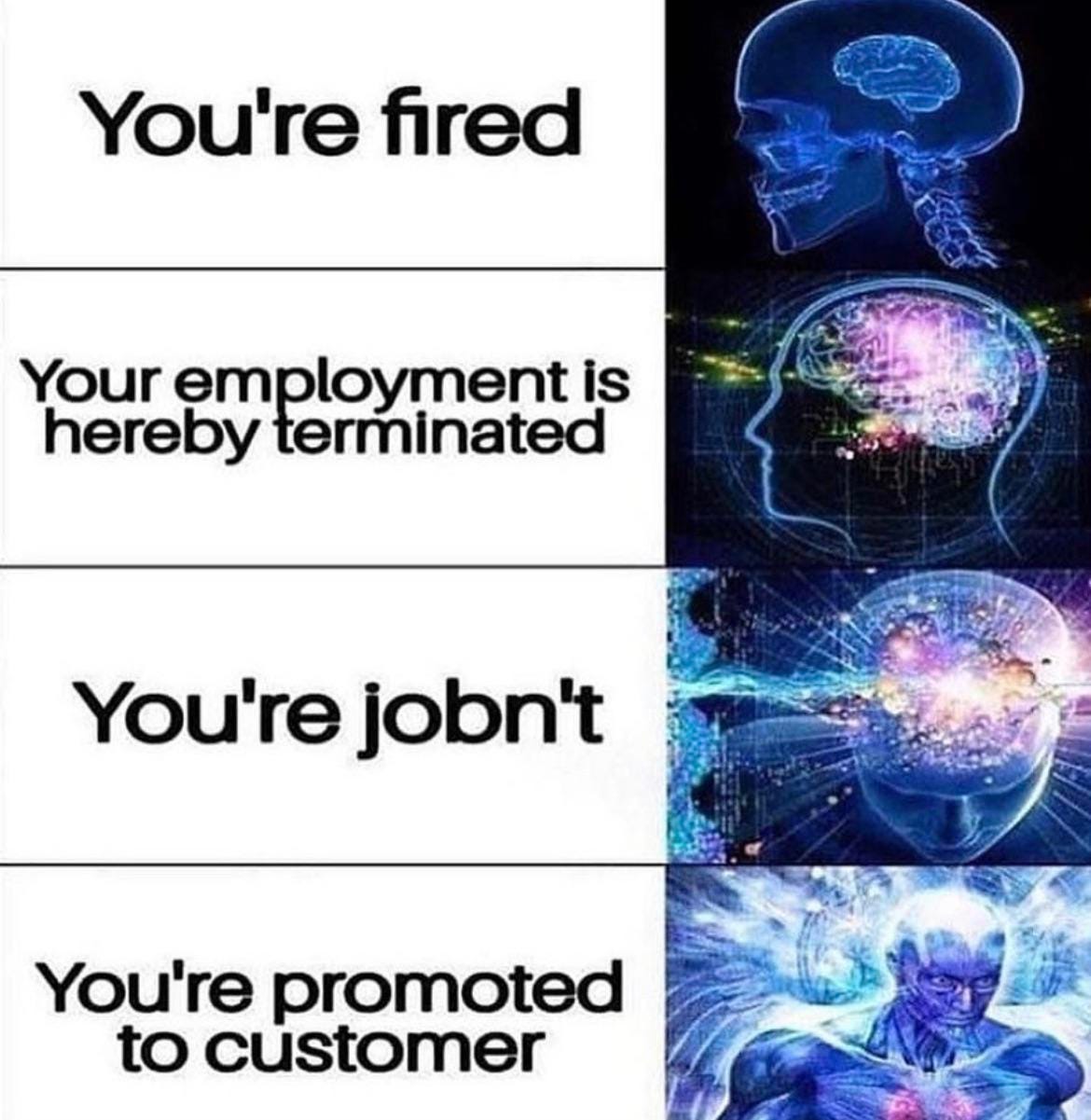
Maybe the optimizers are right. Maybe the people who never felt the heat in their chest are happier than the guy who burned it down and called it philosophy.
The Stoics would say so. They’d call thumos attachment – bondage to external recognition, the opposite of wisdom. The sage doesn’t send the email or delete it. He doesn’t care either way.
I’d rather be attached and alive than detached and optimized. Stoicism isn’t for me.
Nietzsche had a name for the alternative: Letzter Mensch. The Last Man. Comfortable, safe, optimized, and spiritually dead. No struggle, no aspiration beyond the next consumption cycle. “We have invented happiness,” says the Last Man – and blinks.
Fukuyama took the concept further: liberal democracy would triumph, the Last Man would inherit the earth – not through conquest but through comfort, the slow extinction of anything worth fighting for.
We’re building him at scale. Every friction removed, every choice predicted, every path smoothed until there’s nothing left to push against.

Thumos needs resistance. It’s a muscle that atrophies without use. Spend a decade nodding and following the algorithm-approved path, and you don’t just suppress the spiritedness.
You lose it.
The Test
Anyone can romanticize the dramatic exit. The ship-burning moment. The resignation letter that goes viral. That’s not thumos. That’s theater.
The real test is just another chewwssday. The accumulation of tiny choices that either keep the heat alive or slowly, imperceptibly, let it die.
You lose thumos in a thousand micro-surrenders, each one rational, each one safe, until one day you realize the fire is out and you can’t remember when it happened.
The heat in your chest is not a bug. It’s not “emotional volatility” that HR should help you optimize away. It’s the last thing the algorithms can’t reach.
And the next time you’re hovering over that email, finger on delete – maybe don’t.
Introducing: the Router Brain as the cognitive version of thumos-death: ⬇️

That potent urge in your chest needs attending... and one way or another it will. Thumos is being awake holding a conscience, not yielding to self-deceit.