


Every empire ends as vocabulary.
Aspirin was a brand once. So were escalator, thermos, and cellophane.
Each belonged to one company, until the company won so completely that the law declared the name public property.
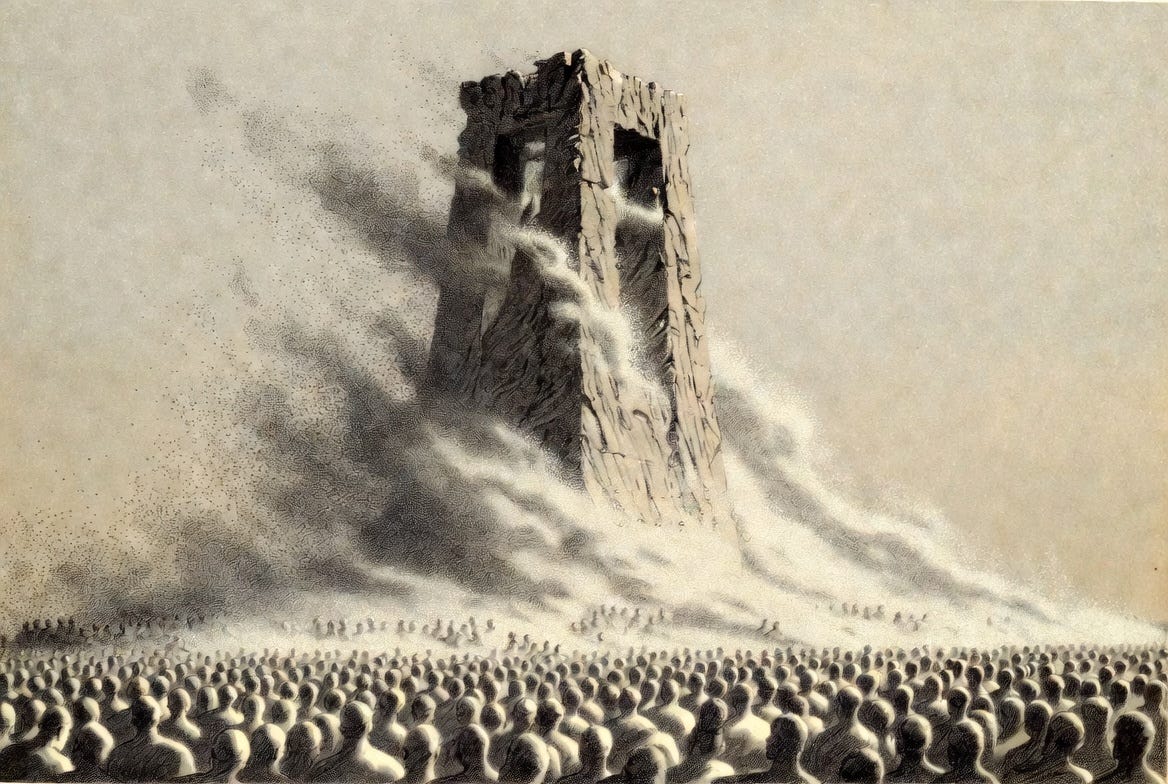
The prize for total market victory turned out to be confiscation of the trophy.
Trademark lawyers call it genericide, and it produced some of the strangest ad campaigns in history: corporations begging you to use their name less.
Xerox has spent decades on exactly that – “when you use ‘xerox’ the way you use ‘aspirin,’ we get a headache” – which is a legal department fighting its own marketing department’s greatest triumph.
Google survived its own court challenge in 2017 on a technicality of perception: yes, everyone says “google it,” but they still know Google is a company. The verb had swallowed the noun, and the lawyers held the line at the skin.
The zipper went further still. B.F. Goodrich coined the word in 1923 and registered it for a rubber boot; the public took it off the boot and fastened it to the thing that did the zipping. The word was simply reassigned.
Now listen to any office this year: “just ChatGPT it.”
The same migration aspirin managed a century ago (except aspirin needed a world war, a seized subsidiary and a judge, and this took a couple of years).
A company’s name entering the language is the most valuable thing that can happen to it – and the beginning of its dissolution as property.
Language is the one commons that expropriates upward: it takes from the most successful and gives to absolutely everybody, no vote required, no compensation paid.
The product gets copied, the patent expires, the stock eventually does what stocks do.
The verb is the only part that’s immortal – and immortality’s one condition is that it stops belonging to you.
Related: Synonym Companies – the 2023 take, from the brand’s side.

Sources: Bayer Co. v. United Drug Co., 272 F. 505 (1921) · Elliott v. Google, 860 F.3d 1151 (9th Cir. 2017) · King-Seeley Thermos v. Aladdin (1963) · WIPO Magazine on the Xerox campaign
Looking forward to the day someone says "Just Huliwood it" and everyone knows exactly what they mean.