


The gap between wondering and knowing is where the learning used to happen.
The essays I can’t remember writing are the ones that started as a clean answer to a clean question.
The ones that began in the wrong alley – chasing a fact that turned out to be false, into a source that disagreed with me – are the only ones whose furniture I still know in the dark.
I’ve been trying to work out what the alley did that the answer couldn’t.
The gap used to run an afternoon, a walk home, sometimes a week – until you found a person who knew or a book that did. How deep does the ocean go? Who won that battle you half-remember? That gap is now closed. The answer arrives before the curiosity has finished forming.
For years the fear ran the other way.
We were drowning in information, the feed was a firehose, and the skill everyone preached was sifting the noise. Fair enough. But then the machines went and solved it. Ask anything, get back one clean, fluent paragraph: no noise, no dead ends, no seventeen open tabs.
Technological progress pushing humanity forward, as ever.
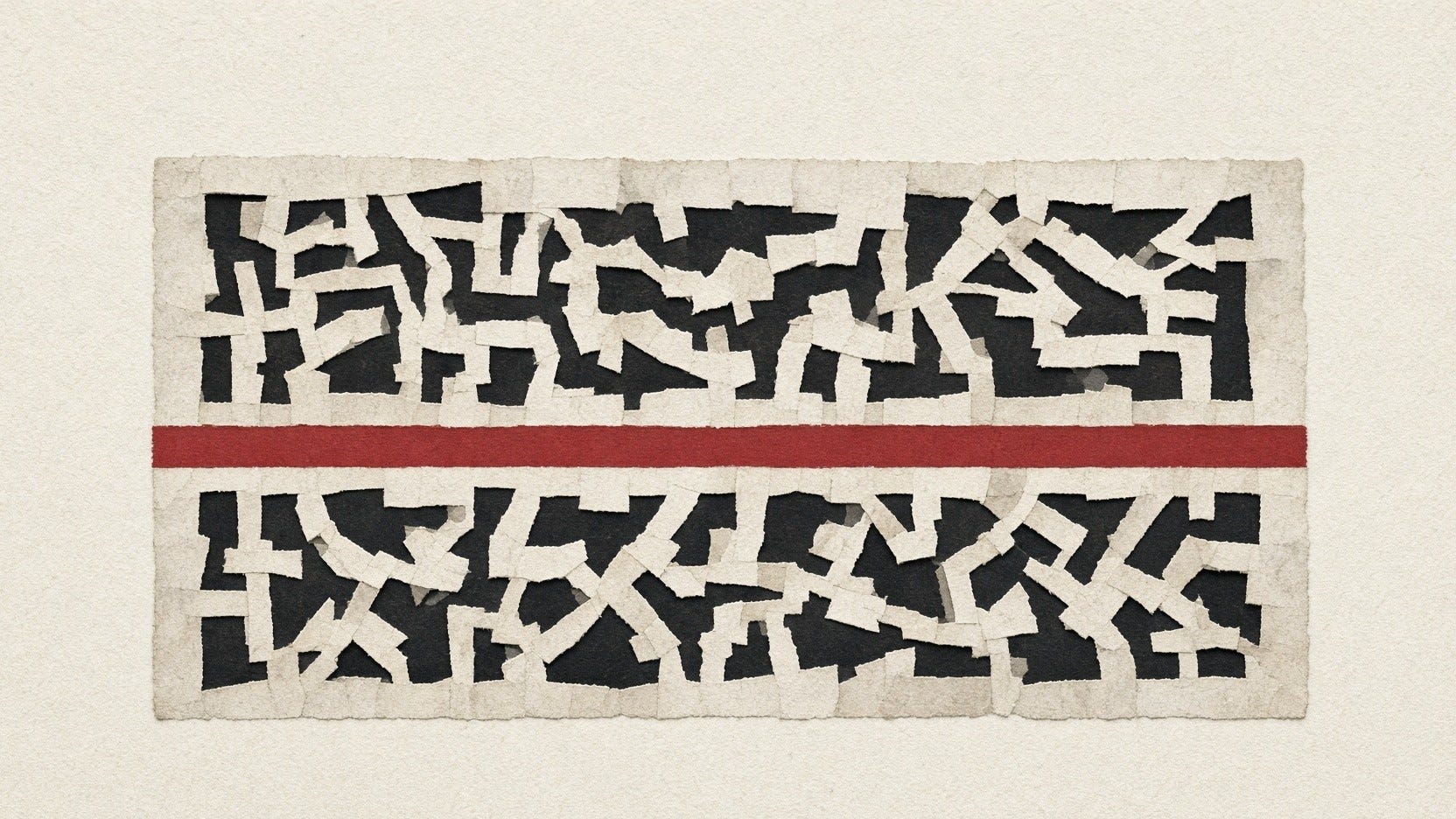
However, the teaching was in the friction. The half hour lost down the wrong alley. The three sources that flatly contradicted each other. The slow build of a picture out of scattered, badly organized parts.
We keep what we generate and lose what we’re handed – a Columbia study back in 2011 caught the handover: the moment people expect a fact to be retrievable later, they remember less of the fact and more of where to find it. Memory, offered a filing clerk, gladly resigns.
The finding comes with a condition attached: the handover only happens once you have reason to trust the clerk.
The learning literature even has a name for the obstacles that make knowledge stick because they slow you down: desirable difficulties.
We sped up the trip. Then we closed the alley. Now what?
Related: More Information ≠ More Informed – written back when noise was the problem.

Sources: Sparrow, Liu & Wegner, Science, 2011 · Schooler & Storm, Memory, 2021 · Bjork Learning and Forgetting Lab