

TL;DR: Decision-making isn’t a spreadsheet; it’s a brawl. Logic maps the terrain. Emotion picks the destination. Your gut? That’s not magic – it’s pattern recognition running faster than conscious thought.
Imagine a dance floor where Sherlock Holmes and Captain Jack Sparrow are trying to tango.
Sherlock is counting the steps, analyzing the floor friction, and predicting the music. Jack is drunk on rum, stumbling into brilliance, and vibing with the crowd.
This is the wondrous, messy world of decision-making, where the cold precision of logic battles the chaotic heat of emotion.
Most people try to silence one to let the other speak. The rationalists want to kill Jack Sparrow. The romantics want to ignore Sherlock.
Both strategies fail. The secret isn’t silence; it’s syncopation.
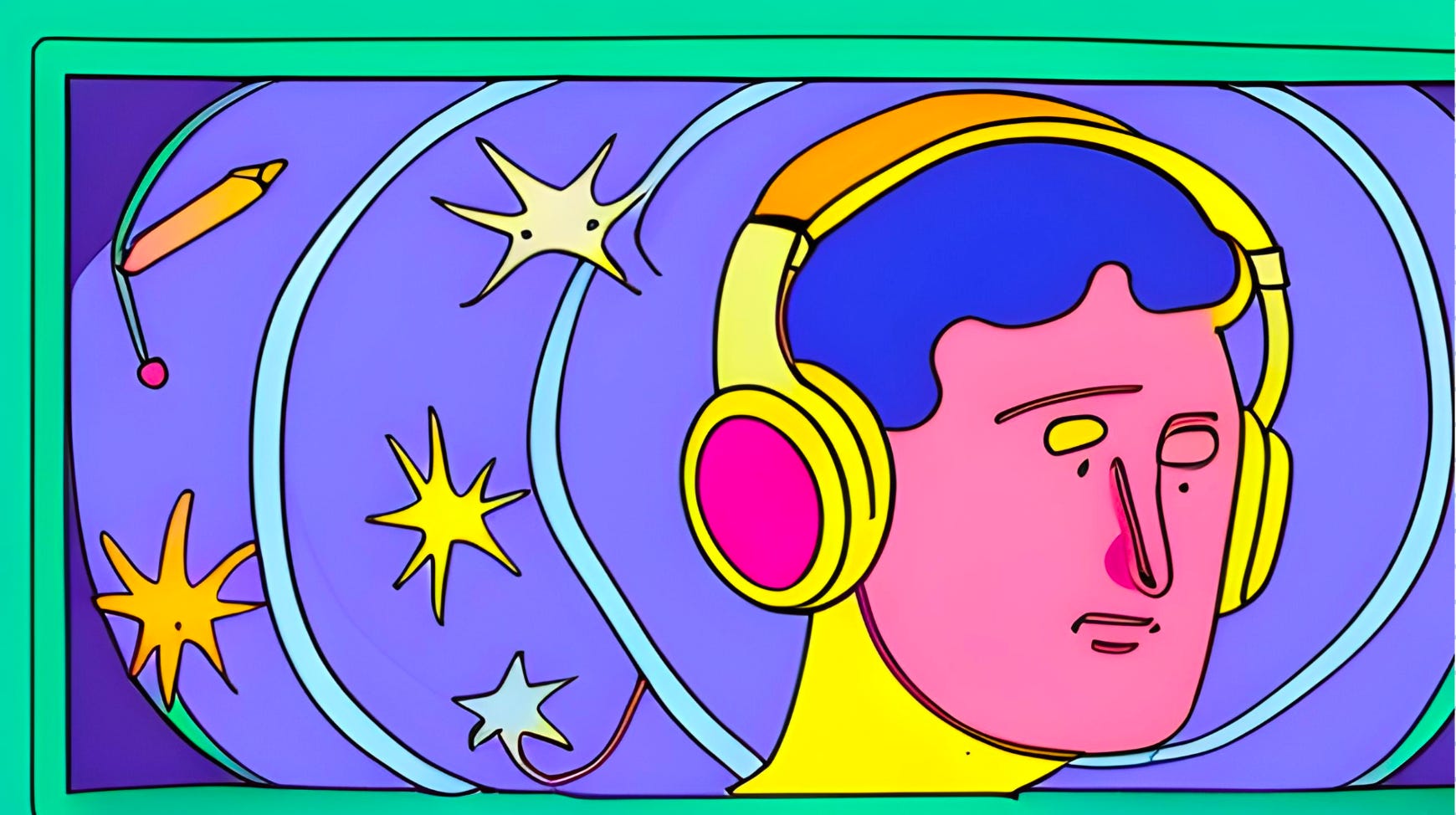
The Steady Drumbeat (Logic)
Logic is the rhythm section – the metronome that keeps you from flying off the rails. It relies on reasoning, analysis, and cold, hard evidence.
It is the voice that says: “Let’s take a step back. Let’s look at the P&L statement. Let’s not buy that boat.”
Logic dissects problems and organizes chaos. It prevents you from jumping off a cliff just because the view is nice. But a life lived entirely on logic is just a spreadsheet. It is perfectly accurate, perfectly safe, and perfectly boring.
The Improv Solo (Emotion)
Emotion is the jazz soloist – all improvisation, passion, and risk.
It is the voice that whispers: “Buy the ticket. Kiss the girl. Quit the job.”
Emotion brings color to the black-and-white lines of logic. It allows us to tap into what we value, not just what we can measure. But a life lived entirely on emotion is a car crash. It’s thrilling right up until you hit the wall.
The Dynamic Tug-of-War
Logic and Emotion are not enemies; they are co-pilots who hate each other but need each other.
Logic maps the territory. It tells you where the cliffs are.
Emotion picks the destination. It tells you why you are climbing the mountain in the first place.
If Logic climbs alone, you’ll stop at base camp (it’s safer there). If Emotion climbs alone, you’ll summit in a blizzard (it felt right in the moment).
So, who breaks the tie?
Enter: The Gut
In the midst of this argument, a third voice emerges. The Gut.
We often dismiss “gut feelings” as mystical woo-woo. We think it’s just indigestion or anxiety. We are wrong.
Your “Gut” is actually Pattern Recognition. It is your subconscious mind processing millions of data points – past experiences, micro-expressions, environmental cues – faster than your conscious brain can form a sentence.
When you get a “bad feeling” about a person, that isn’t magic. That is your brain noticing that their smile didn’t reach their eyes, or their tone didn’t match their words. Sherlock Holmes has solved the case, but he hasn’t written the report yet.
Your gut is the executive summary of your subconscious.
The Division of Labor
Trusting your gut doesn’t mean ignoring the data. It means respecting the data you can’t articulate yet.
Use Logic for the “How.” (How do we afford this? How do we execute this?)
Use Emotion for the “Why.” (Does this excite me? Does this align with my values?)
Use Your Gut for the “When.” (Is this the right moment? Do I trust this person?)
In the grand jam session of decision-making, the rhythm of Logic and the melody of Emotion will always clash.
But when the spreadsheet says “Yes” and the heart says “Yes,” but the stomach says “No” – listen to the stomach.
More on thinking and deciding: Don’t Mid-Curve It | How ’Bout Zero Neuroticism?